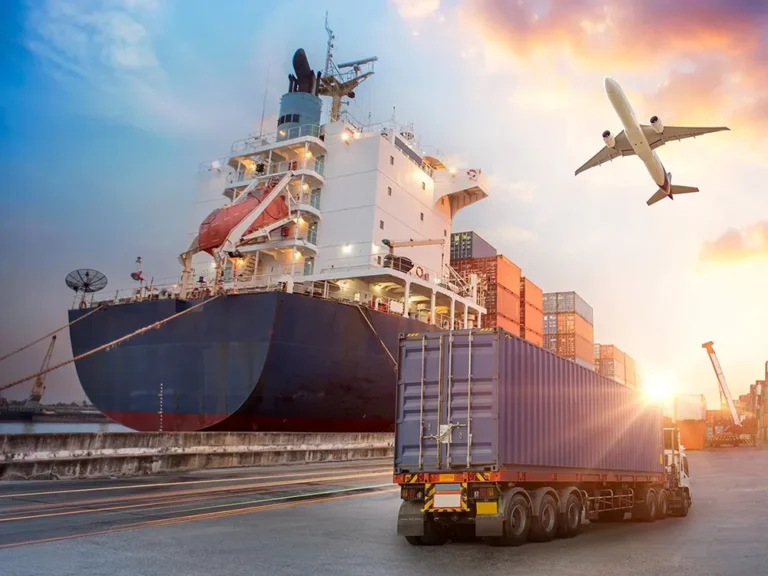
Shipping items from Australia to New Zealand requires targeted and professional organisation. Sea freight is one of the most efficient and cost-effective options to transport large loads between these two countries. It’s ideal for recurring business shipments and containerised or palletised cargo.
JTM Cargo Management handles the entire process of Trans-Tasman freight forwarding. Decades of experience and multiple partnerships allow us to arrange regular shipping through both FCL and LCL options. Our team handles customs coordination in both countries. We focus on efficiency and time-sensitivity. Understanding the local nuances allows JTM specialists to speed up the process and avoid compliance errors.
With JTM, you delegate the entire sea freight forwarding process to local experts. Our specialists work hard to ensure the timely and seamless arrival of your goods to New Zealand.

Sea freight is the most practical solution for the majority of Trans-Tasman cargo movements. The route between Australia and New Zealand is well established and constantly optimised. Since shipping lines operate frequent sailings, ocean freight in this area can be highly predictable.
For many types of cargo, sea freight offers impressive cost advantages. The cost per cubic metre is significantly lower than air freight. This makes it the preferred choice for:
Businesses shipping weekly or monthly benefit the most. Regular sailings allow you to plan inventory cycles while seeing the full cost picture.
Ocean freight between Australia and New Zealand is usually an excellent starting point for businesses focused on landed cost optimisation.
We will provide a free comprehensive air freight quotation according to your needs.
The sea shipment option allows you to choose between Full Container Load (FCL) and Less Than Container Load (LCL).
FCL allows you to book the full container for your cargo. This option is ideal for:
Since your cargo is not combined with other shipments, there is less handling at the origin and destination. This reduces the risk of damage and prevents consolidation delays.
When you look at shipping options at scale, FCL delivers a lower cost per unit. Businesses that ship regularly often choose this for the long-term goods transportation option.
LCL allows you to share container space with other shippers. This option works well for:
It’s a cost-efficient choice for smaller volumes. However, since cargo must be consolidated at origin and deconsolidated at destination, transit times can be slightly longer than with FCL.
LCL is suitable for smaller, irregular, or lower-volume shipments. Once your cargo approaches a level where it occupies most of a container, FCL often becomes more cost-effective.
The financial breakpoint depends on volume, routing, and, sometimes, seasonal conditions. JTM reviews each shipment profile to recommend the most suitable option.
Transit times between Australia and New Zealand are relatively short compared to other international routes. However, exact timing depends on several factors:
Below are port-to-port estimates based on our experience:
These figures represent port-to-port sailing time only. The total transit time also includes:
Once JTM reviews your shipment profile, the team can provide a realistic total transit estimate. This number is accurate enough to plan your inventory and customer commitments.


We arrange shipments from all major Australian ports, including:
In New Zealand, we work with:
Proper port selection usually defines the efficiency of the shipping process. Routing decisions are based on:
Choosing the right port can reduce inland transport costs and shorten total transit time. JTM reviews your destination and recommends the most efficient routing strategy.
Customs compliance is the most important part of any Trans-Tasman freight. Any business shipping cargo from Australia to New Zealand must understand how the process works.
Shipments must meet documentation and regulatory standards in order to exist in Australia. This includes:
Incorrect or incomplete paperwork can delay loading or create issues at the destination.
In the entry port of New Zealand, cargo must comply with New Zealand Customs Service regulations. Importers must meet requirements relating to:
New Zealand GST and duty may be payable depending on the nature and value of the goods.
New Zealand maintains strict biosecurity standards, which are controlled by the Ministry for Primary Industries (MPI). Certain goods, packaging materials, timber products, machinery, and outdoor equipment may be subject to inspection.
If documentation or cleanliness standards are not met, cargo can face:
Compliance errors can quickly increase landed costs. The entire container may be stuck at the port of destination until these issues are resolved.
We will provide a free comprehensive air freight quotation according to your needs.
JTM coordinates documentation carefully before shipment. In addition to explaining all the requirements to each client, our team:
Since we handle freight and customs coordination together, we reduce compliance risk. All of this ties into timely arrival and cost predictability.
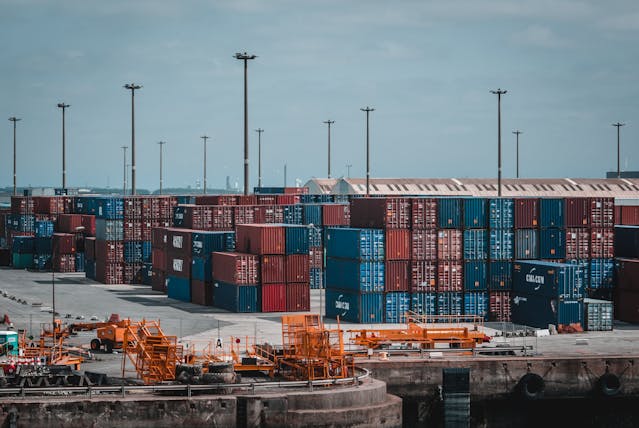

Sea freight pricing depends on several variables, including
Larger volumes generally reduce cost per unit. However, every shipment is different. Cargo profile and schedule also play a big role. If you are a regular shipper, you can benefit from structured planning, which often leads to lower carrier rates.
JTM works with businesses that ship regularly between Australia and New Zealand. We help clients save time and money with predictable logistics and a straightforward process. Industries our team usually works with (but not limited to) are:
Since JTM has a full understanding of industry-specific requirements, it helps maintain supply chain consistency regardless of the industry in question.
We ask you to share all your requirements, including cargo details, volume, routing preferences, and timing requirements. Using this information, we create the most efficient freight plan and provide a quote.
We coordinate booking with the carrier and check all the export documentation to make sure that it’s in order.
Cargo is delivered to the port or consolidation warehouse. Containers are loaded and prepared for departure.
Your shipment moves according to the sailing schedule. All potential changes are discussed in advance.
We coordinate customs documentation and manage compliance requirements upon arrival.
Once your cargo clears customs, we arrange final delivery to your nominated address.
We believe in proactive communication, so JTM stays in touch with your POC throughout the process.
Contact JTM Cargo Management today to get started.
Port-to-port transit can take from 13 to 26 days, depending on origin and destination. Total time includes customs clearance and final delivery.
Full Container Load means you book an entire container. Less Than Container Load means your goods share container space with other shipments.
Commercial invoices, packing lists, and accurate customs declarations are required. Additional permits may apply depending on the goods.
Duties and Goods and Services Tax (GST) may apply depending on the tariff classification and value of the goods.
Timber products, machinery, outdoor equipment, and certain packaging materials may be inspected under the Ministry for Primary Industries regulations.
Pricing depends on volume, container size, routing, port charges, customs processing, and final delivery requirements.
By John Raymond Infante – Director, JTM Cargo Management When selecting a freight forwarder, many businesses focus on price. But too often, choosing…
By John Raymond Infante – Director, JTM Cargo Management Freight rates are just the beginning. Many importers are surprised by the additional charges…
By John Raymond Infante – Director, JTM Cargo Management It’s one of the most common complaints I hear. And with decades of hands-on…