30+ Years of Specialised Customs & Freight Experience
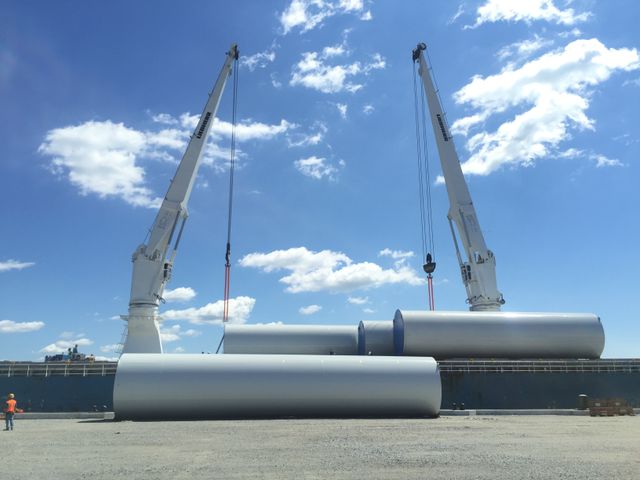
Shipping irregularly-sized and heavy cargo can be problematic. Failing to fit into a standard container creates a massive number of issues to take care of. Break bulk cargo shipping is designed to solve these issues and make the process more manageable.
At JTM Cargo Management, we support break bulk cargo shipping. Our team handles international freight forwarding, works to simplify customs clearance, and offers end-to-end shipment coordination.
If you have oversized and non-containerized cargo to ship to and from Australia, JTM can make all relevant arrangements. Our goal is to make break bulk cargo shipping as smooth as standard transportation.
Break bulk freight requires much more planning than standard shipping before the cargo is booked. Overlooking even a small detail can lead to additional handling costs and delays.
Taking the time to assess the shipment properly allows freight forwarders, carriers, and handling teams to choose the most efficient transport solution.
Some of the most important factors to consider include:
You must also consider delivery-site access. Even if the cargo arrives at the destination port without issues, narrow roads or limited unloading space can create unexpected challenges. This can slow down the final stage of the journey and lead to additional expenses.
Port storage and handling charges should also be factored into the overall transport plan. Delays in customs clearance, inspections, or collection can increase total project costs yet again.
The lowest freight rate doesn’t always result in the lowest total landed cost. A well-planned shipment often delivers better value.
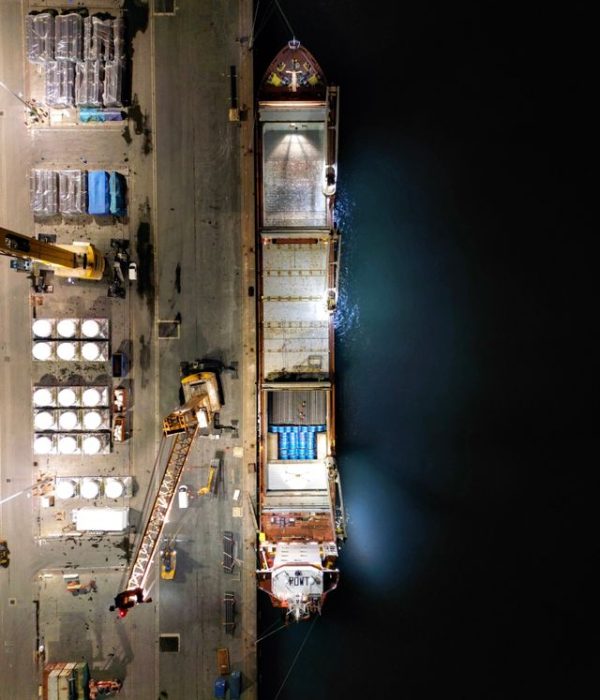
Not all oversized shipments require break bulk shipping. In some cases, Full Container Load (FCL) or Less Than Container Load (LCL) freight may still be suitable. The right solution depends on the characteristics of the cargo (not the size alone).
Break bulk shipping can be a good option when cargo exceeds standard container dimensions or weight limits. It’s also commonly used for:
Project cargo often falls into this category as well. Large construction projects, manufacturing installations, and infrastructure developments frequently involve multiple oversized components.
JTM evaluates the complete logistics picture to find the best option for your shipping project. Our team considers cargo dimensions, weight, origin, destination, handling requirements, and shipping frequency. Then we calculate the best solution available.
Break bulk shipping supports a wide variety of industries. JTM coordinates shipments for such cargo as:
Construction materials often include products that exceed standard container dimensions. They also tend to require specialised handling throughout the transport process.
JTM regularly coordinates shipments involving:
Many of these products also require careful documentation and customs planning before they even arrive in Australia.
Industrial equipment is one of the most common categories of break bulk freight. These shipments often require customised lifting arrangements and careful coordination between multiple service providers.
JTM supports the movement of:
All of these require special planning, especially when deadlines are tight.
Australia’s growing renewable energy sector has increased demand for specialised freight solutions.
Everything from large solar-energy components and battery storage equipment to electric vehicle charging infrastructure often requires specialised transportation methods.
JTM helps coordinate these shipments while considering handling requirements and project schedules.
Some products simply don’t fit into conventional shipping categories.
JTM also supports businesses importing:
JTM Cargo Management coordinates break-bulk freight to and from Australia.
Each break bulk shipment requires coordination between carriers, ports, customs authorities, transport providers, and handling specialists.
JTM manages these moving parts through a single point of coordination. We are serious about giving each client full visibility throughout the shipment lifecycle.
JTM coordinates international sea freight for break bulk cargo across major global trade lanes.
Depending on the shipment requirements, we arrange port-to-port transportation or broader door-to-door solutions that integrate international freight with customs clearance and local delivery.
Successful break bulk shipping starts well before cargo reaches the vessel.
JTM coordinates cargo collection, export documentation, and delivery to the departure port. We work with trusted partners to prepare each shipment properly.
Before departure, we review cargo measurements, verify weight information, and confirm crating requirements. This preparation helps minimise issues during loading.
Customs clearance is one of the most important stages of any international shipment. However, it’s especially important for oversized cargo, which tends to already involve specialised handling.
JTM provides customs brokerage support alongside our freight forwarding services.
Our team assists with:
Where required, we also coordinate biosecurity requirements and help address documentation questions before they become border delays.
Break bulk shipments often require cranes, specialised lifting equipment, wharf handling, and heavy transport vehicles.
JTM coordinates these activities through established service partners. Together, we arrange the equipment and transport required to move cargo safely from the wharf to its final destination.
Break bulk shipments require careful planning from the moment the cargo’s destination is known. JTM manages the entire process in order to minimise delays and keep communication simple.
Our team reviews the cargo description, dimensions, weight, number of units, packing method, lifting points, origin, destination, and delivery requirements. This allows us to identify any handling challenges before the shipment is booked.
Once we understand your shipment, we compare available carriers, sailing schedules, routes, and handling requirements.
We don’t just focus on the lowest freight rate alone, but also develop a transport plan that balances transit time and operational efficiency.
Our team checks shipping documents, customs paperwork, and any supporting information required for Australian import regulations. Identifying missing or incorrect information early helps prevent unpleasant surprises in Australia.
JTM coordinates cargo collection, delivery to the departure port, and export formalities.
We also work with our service partners to arrange loading requirements and ensure proper pre-loading cargo preparation.
When the shipment arrives in Australia, we coordinate customs clearance and any applicable biosecurity requirements.
If inspections or additional documentation are required, our team manages communication with the relevant authorities.
After the cargo has been cleared, we coordinate delivery to the final destination. This may involve specialised transport, cranes, or additional unloading arrangements at the delivery site.
We need you to provide accurate information in order to estimate the costs. This includes:
The more information you can provide, the easier it is to identify the most suitable shipping method.

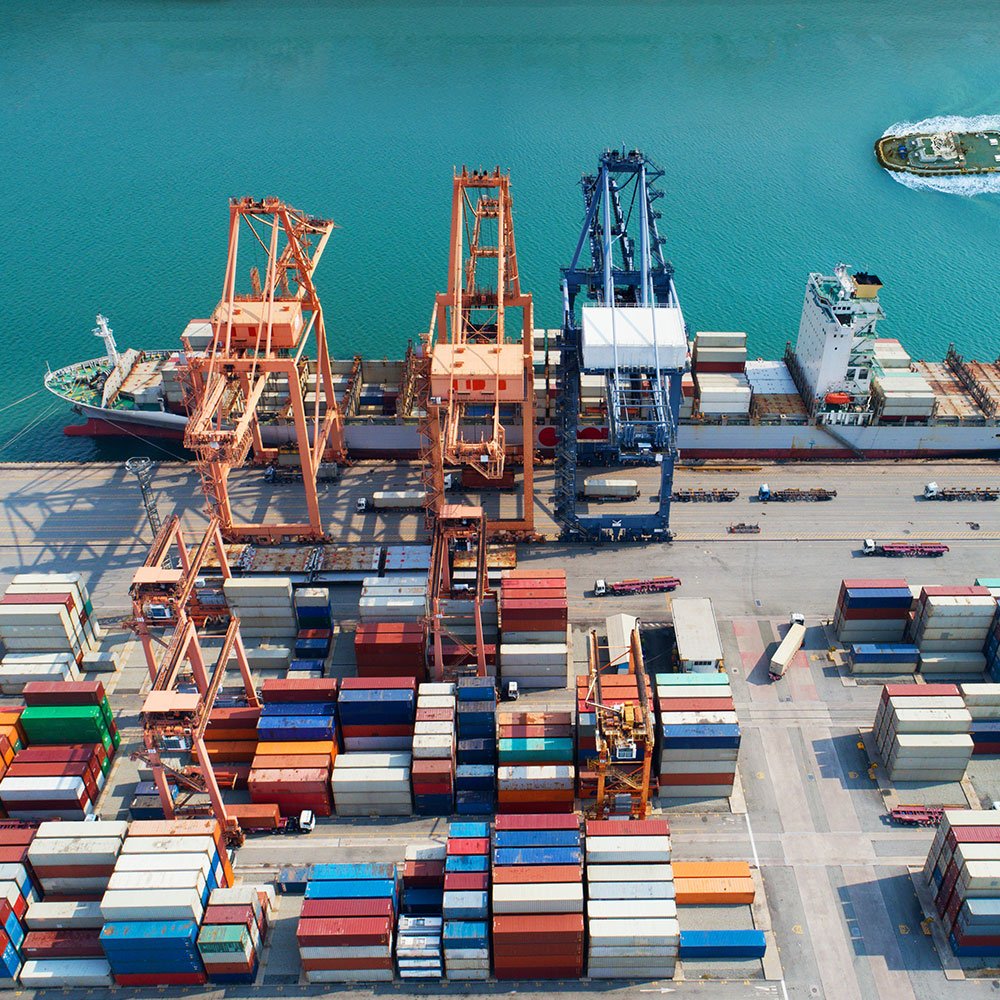
Every shipment is quoted individually based on its handling requirements and transport complexity.
Several factors can influence the overall cost, including:
JTM reviews the complete transport process to identify practical and cost-effective solutions.
Let’s Discuss Your Freight Requirements!
Oversized cargo is subject to the same Australian customs requirements as standard freight. However, the documentation is often more detailed.
Depending on the shipment, importers may need commercial invoices, packing lists, bills of lading, country-of-origin information, import permits, and more.
Construction materials, used machinery, timber packaging, and industrial equipment may also require additional inspections.
To reduce the risk of delays, JTM reviews customs documents before the shipment arrives in Australia. Early preparation helps identify potential issues with tariff classification, biosecurity requirements, and Goods and Services Tax (GST).
Seamless break bulk shipping requires experience, careful planning, and reliable coordination.
Businesses choose JTM because we provide personalised service, which is backed by more than 30 years of industry experience. Instead of becoming another account within a large multinational forwarding network, you work directly with a dedicated team.
Our freight forwarding and customs clearance services are managed together, so you have one point of contact throughout the shipment. We also review routing, handling requirements, and delivery arrangements to identify commercially sensible transport options.
Regular importers and exporters can benefit from this hands-on approach because it provides the flexibility that many larger freight providers struggle to offer.
JTM supports businesses with both ongoing freight programs and one-off project shipments. Regardless of the project’s complexity, our team can coordinate a transport solution that fits your operational requirements. Every shipment, both for import and export, receives the same level of attention.
Decades of freight forwarding experience allows JTM to help businesses move oversized cargo with greater confidence. Our coordinated approach to the entire journey reduces unnecessary delays and improves cost-efficiency.
Transit times depend on the origin, destination port, sailing schedule, vessel availability and whether transshipment is required. Additional time may also be needed for port handling, customs clearance, biosecurity inspections and specialised delivery. JTM can provide an estimated timeframe once the cargo details and route are confirmed.
Yes. Break bulk cargo can be managed from the supplier’s premises through to the final delivery site. This may include origin transport, port handling, sea freight, customs clearance, cranes, permits and specialised road transport. Door-to-door availability depends on cargo dimensions and access at both locations.
Break bulk describes cargo transported as separate pieces rather than inside standard containers. Project cargo is a broader logistics category involving the coordinated movement of large, heavy or complex shipments for a specific construction, industrial or infrastructure project. A project cargo movement may include several break bulk shipments.
Common documents include a commercial invoice, packing list, bill of lading and import declaration. Depending on the goods, importers may also need permits, treatment certificates, packing declarations, certificates of origin, technical specifications or other supporting documents.
Yes. Break bulk imports must be cleared through Australian customs and may be subject to biosecurity controls. Break bulk cargo is inspected for soil, plant material and other contaminants, while machinery and timber packaging may have additional cleanliness or treatment requirements.
Yes. JTM can coordinate cranes, stevedoring, heavy-haul vehicles and other specialised handling services through established logistics partners. The equipment required will depend on the cargo’s weight, dimensions, lifting points and delivery-site conditions.
Yes. Break bulk cargo can be shipped from suitable ports in China to Australia, subject to carrier services, vessel capacity and port-handling capabilities. JTM can coordinate supplier collection, export handling, sea freight, Australian customs clearance and final delivery.
Additional costs may include crane hire, stevedoring, lashing, surveys, terminal handling, port storage, customs processing, biosecurity inspections, cleaning or treatment, permits and specialised road transport. Duties and taxes may also apply depending on the cargo and available concessions.