
Demurrage and detention expenses can affect your transportation charges. In some cases, they can lead to higher landed cost risks.
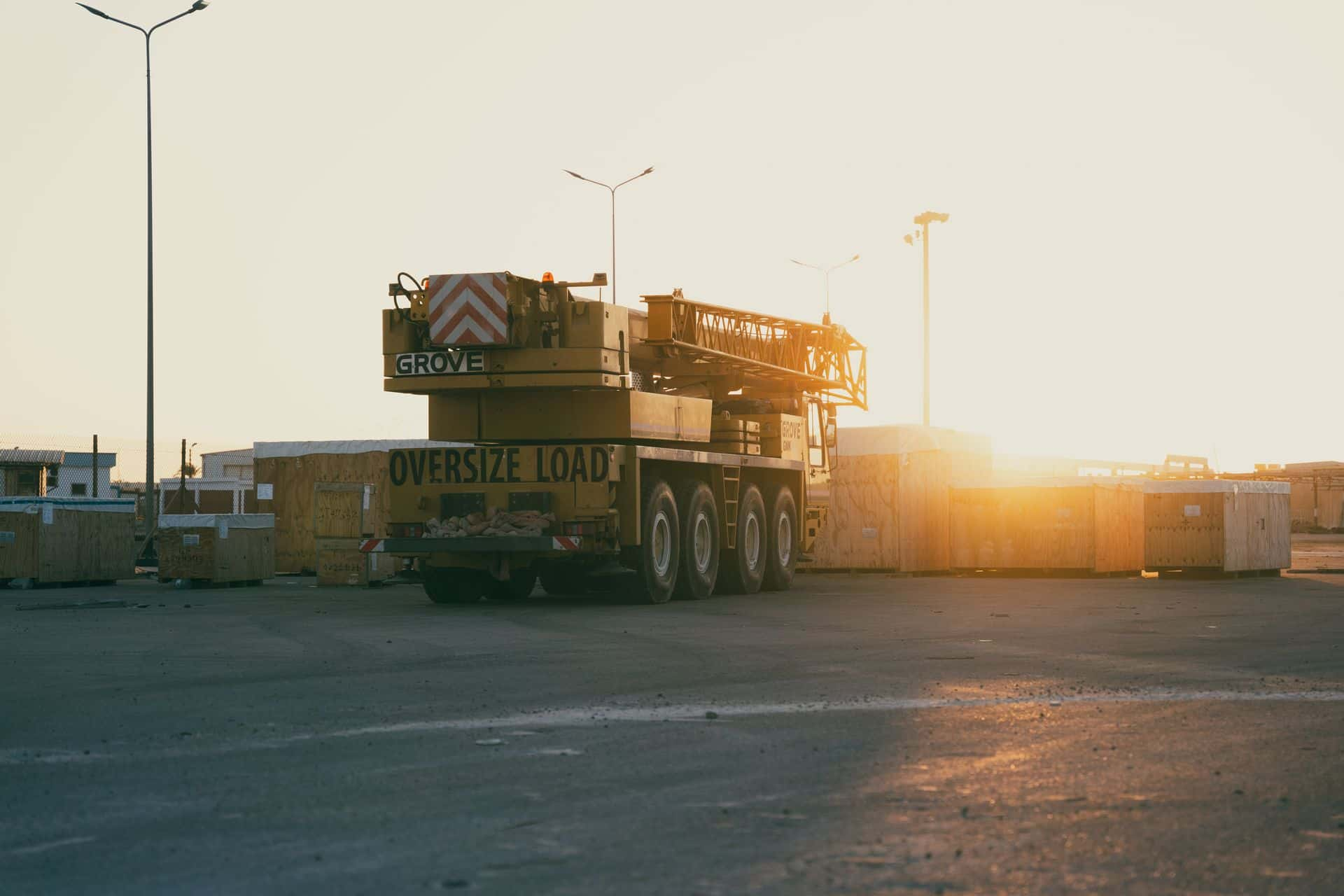
Oversized cargo requires a complex loading and unloading process. All the equipment, coupled with special handling needs and permits, can delay transportation. The free time you have at port can disappear quickly, making way for new detention and demurrage charges or, in the worst case, both.
Demurrage and detention tend to apply to Out of Gauge (OOG) cargo moving on carrier-owned equipment (e.g., flat racks and open-top containers). Break-bulk and project cargo shipments may follow different charging structures.
Demurrage and detention charges can add up quickly and lead to inflated freight forwarding costs. Even though these two terms are closely related, they apply at different stages of the shipping process.
Demurrage is the time that filled containers remain inside the terminal. It begins from the time they are unloaded from a vessel and ends when they are picked up at the port (terminal, depo, etc.).
The carrier usually provides a free period for the importer to pick the cargo up. When the period is over, demurrage charges may begin to apply. The free-time allowance and rates depend on the carrier, terminal and booking conditions.
Detention is the time containers remain outside the terminal after the permitted free period. During the free period, the importer has the time to unpack and return empty containers to the agreed point of collection. Once the free period is over, detention charges begin to apply.
| Situation | Typical charge |
|---|---|
|
Container/equipment remains at terminal beyond free time |
Demurrage |
|
Container/equipment is collected but returned late
|
Detention |
|
Terminal space/storage exceeds allowance |
Separate terminal/storage charge may also apply |
Charging models tend to vary between carriers and terminals. So can terminology. Some carriers use combined demurrage and detention arrangements, while others calculate them separately. Terminal or port storage charges may also be billed separately. These shouldn’t be confused with carrier demurrage or detention.
Free-time rules and the events that start or end a charging period also vary (especially between export and import). To understand what to expect, you need to read the terms provided by the parties involved in the process.
For example, Maersk has an interactive system that allows clients to view free periods and demurrage and detention charges.
Oversized cargo is more difficult to move than standard containerised freight. It often requires special equipment, additional approvals, and complex transportation arrangements.
For example, an Out of Gauge (OOG) shipment may require a flat rack or open-top container. The shipping line must approve the cargo dimensions and weight before accepting the booking. Some terminals also have certain restrictions on oversized cargo handling.
Even when the cargo is ready for collection, several factors can prevent it from leaving the port:
All these activities require coordination between the freight forwarder and other parties. A delay with one provider can affect the entire shipment. JTM can coordinate these arrangements with carriers, terminals, customs brokers and specialist transport providers.
The main problem is that free time is limited. While importers are arranging transport and completing the required procedures, the available time is ticking down.
Special equipment may also have different free-time allowances and charging rates.
Demurrage and detention problems can develop at different stages of transportation.
Incorrect dimensions or weight measurements can cause the importer to book unsuitable equipment. If the shipment exceeds the approved Out of Gauge dimensions, you may need to get additional carrier approval.
Missing road permits and incomplete customs documentation can also create problems. These issues should always be handled before the cargo arrives at the destination port.
JTM can review cargo specifications, OOG approvals and transport requirements before departure. We identify potential problems early.
Customs processes and biosecurity inspections may delay cargo collection at the terminal. Even after customs releases the cargo, it may have to remain at the terminal because the pickup process is poorly arranged.
Some terminals also designate a period of time when oversized cargo can be collected. A missed appointment can cause another delay.
The cargo may remain on the transport equipment longer than expected when unloading machinery is unavailable or the site can’t accommodate the load.
Road permits with restricted operating hours may create further delays.
When the cargo is transported on a carrier-owned flat rack or open-top container, the empty equipment generally needs to be returned within the agreed free-time period. A late return can result in detention charges.
Before confirming the freight, speak with JTM about the cargo dimensions, equipment, free-time conditions, customs requirements and Australian delivery plan. Early planning can prevent delays and extra costs
The actions that help prevent demurrage and detention begin a long time before the cargo arrives. The most effective approach is a proactive one:
Record the exact length, width and height of the cargo. You should also confirm its gross weight and, where relevant, its centre of gravity and lifting points.
Even small measurement errors can affect container selection. They may also change the road transport requirements.
If the shipment is complex, technical drawings and photographs can help the freight forwarder assess potential challenges.
JTM Cargo Management’s oversize freight shipping services include assessing these details to determine suitable shipping and handling arrangements.
Oversized cargo may require a flat rack, platform or open-top container. The shipping line must confirm the equipment is suitable and approve OOG dimensions.
JTM can coordinate these approvals and verify that the destination terminal accepts the proposed shipment. Some cargo requires special lifting arrangements. Others may need an approved securing and lashing plan.
Getting these approvals early reduces the risk of last-minute changes. Even a slight change can cause delays, which may lead to demurrage and detention charges.
Before accepting an offer, confirm how many free days apply to demurrage and detention. Check whether the allowance is calculated using calendar days or working days.
Pay particular attention to:
Some carriers calculate demurrage and detention separately. Others provide a combined allowance.
The difference can affect your transportation costs significantly, especially when inland delivery takes several days.
Customs clearance can cause delays even when you arrange every other part of the transportation process perfectly.
Where possible, you need to submit the required documents before the vessel arrives. Verify the tariff classification and prepare any necessary import permits.
Supporting documentation must also be ready, especially if you are moving cargo that may require biosecurity inspections.
According to the Australian Department of Agriculture, Fisheries and Forestry, imported goods must meet applicable biosecurity conditions before they can be released. Some shipments require further inspection.
JTM handles the customs clearance process to minimize delays. The team works with you from the planning stage to make sure all documents are ready for approval.
Oversized loads may require low-loader trailers or other abnormal-load vehicles. Finding this type of transportation on short notice may be a real challenge. Meanwhile, you may also need to invest time in road permits and escort vehicles.
In Australia, some movements operate under existing notices, while others require individual permits. Requirements depend on the vehicle and route.
It’s up to the importer to confirm the transport vehicle and driver availability before arrival. The approved route should also be checked against any travel restrictions.
You must coordinate collection with the terminal. Some oversized shipments require specific collection appointments.
A shipment can leave the port on time and still accumulate detention charges if unloading takes too long.
Before collection, confirm that the unloading crew and necessary lifting equipment will be available. The receiving site should also have sufficient ground capacity.
Check the site’s opening hours and delivery appointment requirements.
Limited access can pose another problem. A large trailer may not be able to enter the property without additional arrangements. All of this must be resolved in advance.
JTM can work with the consignee and specialist transport providers to receive delivery-site access. We also coordinate unloading requirements and collection schedules before the cargo leaves the terminal.
Before collecting a flat rack or open-top container, identify the designated return depot and its operating hours. Check whether an appointment is required.
The transporter must also be available to return the equipment once unloading is complete.
Don’t assume the closest empty-container depot will accept specialised equipment. Confirm the correct return location and deadline with the shipping line.
A shipment isn’t necessarily finished from a detention perspective until the carrier’s equipment return has been officially recorded.
JTM can coordinate the equipment-return arrangements with the carrier and transport provider.
One of the best ways to avoid demurrage and detention is to work backwards from the final free day.
This means identifying the last acceptable equipment-return date and scheduling all the required activities around it.
For example, a simplified shipment plan could look like this:
Day | Planned activity |
Day 0 | Cargo becomes available |
Day 1 | Customs release confirmed |
Day 2 | Terminal collection, delivery and unloading |
Day 3 | Empty equipment returned |
Remaining buffer | Depends on the confirmed free-time allowance |
This is just an illustrative timeline. The actual plan is more complicated.
Actual free-time periods and their starting points depend on the carrier’s booking conditions and local tariffs.
Poor planning can result in customs clearance beginning only after the cargo becomes available. Heavy transport may then take several additional days to arrange.
Meanwhile, the free-time allowance continues to decrease.
A practical plan should include a buffer for unexpected delays. Scheduling collection on the final free day leaves little room for problems with terminal appointments or transportation.
The freight forwarder should coordinate collection requirements with the carrier and terminal. The customs broker and consignee must also be aware of their deadlines.
Before the vessel arrives, make sure the following arrangements have been completed.
For some shipments, you may need to add more items to the checklist. However, this basic list usually covers the most important activities.
No matter how well you plan, delays can still occur.
If this happens, you need to identify exactly when free time expires. Then, identify what’s preventing the shipment from moving.
Once the problem is clear, prioritise the action that stops the relevant charge from increasing. Records to keep are:
These may help you dispute charges where there is a valid basis to do so.
Contact your freight forwarder or shipping line to discuss possible alternatives. In some cases, a different collection arrangement may help reduce further costs.
Oversized freight requires coordination between multiple service providers. When these parties work independently, the process loses cohesiveness and becomes prone to extra charges.
JTM Cargo Management has over 30 years of experience in international freight forwarding and customs clearance. Our team coordinates transportation arrangements for complex shipments moving into and out of Australia.
We help clients plan their cargo movements around equipment availability and customs requirements. We also coordinate terminal handling and inland transportation through our service partners.
Our goal is to reduce unnecessary delays and keep transportation costs under control.
Send JTM your origin, destination, dimensions, weight, photos and required delivery date. We can assess the shipment and provide the best available options.