The import of construction materials into Australia is a convenient option for many businesses that want to cut costs and improve project availability. Growing supplier options can increase the profitability of construction companies and help them branch out to new target audience segments.
While the benefits of such import are significant, the process is much more complex than simply booking a freight. The nuances included in the shipping process keep many companies from enjoying the advantages of such imports. Some of them include:
JTM Cargo Management understands all the important aspects of importing construction materials into Australia. Our experience and connections make it easy to bring the goods you need into the country according to your timeline.
Our experts share their knowledge to help you understand the process.
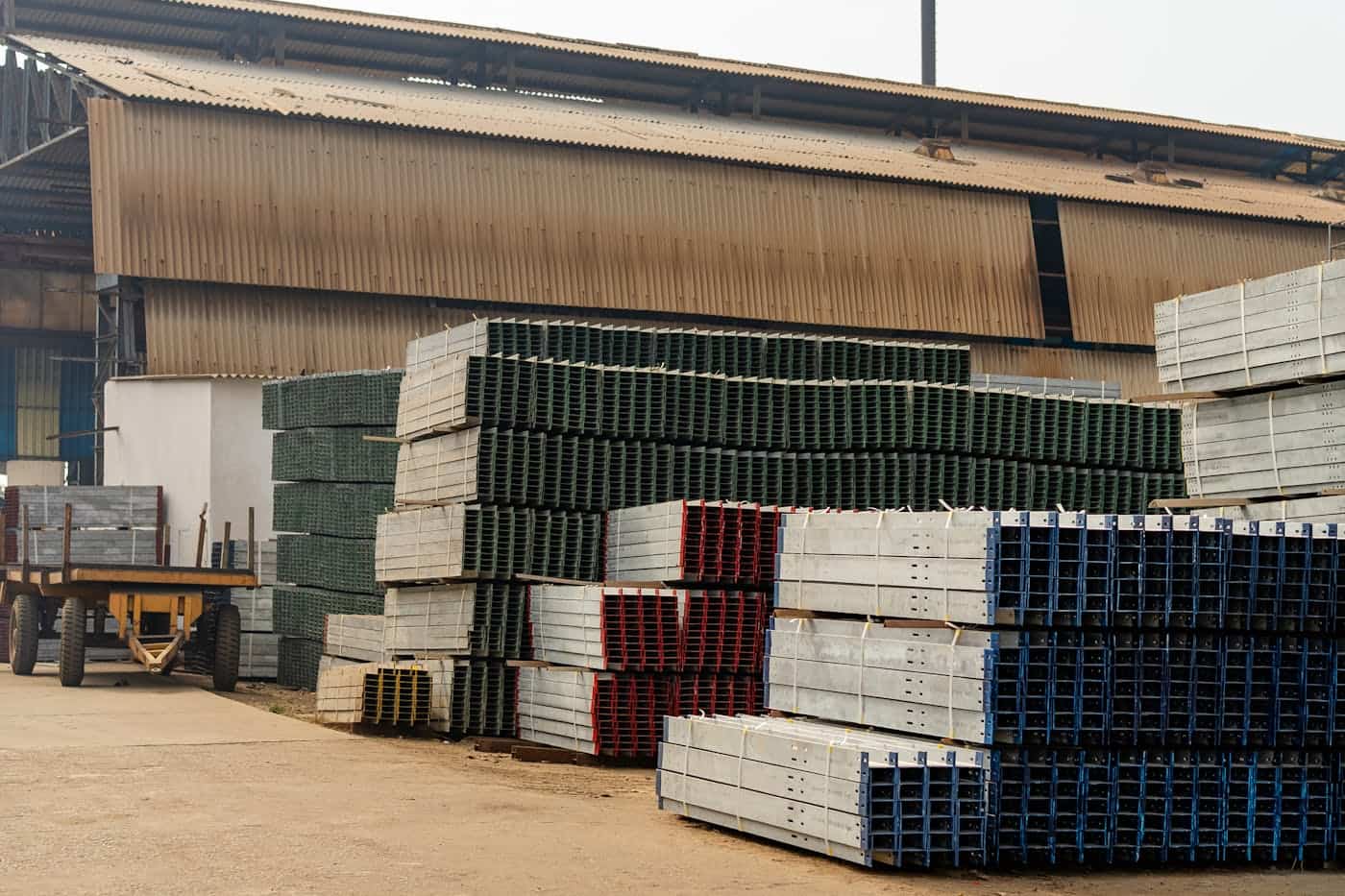
Construction material imports can cover a wide range of products. Some are relatively simple from a freight perspective. However, the majority require serious planning because of product composition, packaging, biosecurity rules, and more. The most common categories include:
The type of material matters because each category may create different import risks. A shipment of stone tiles may raise different questions from a shipment of timber doors. That’s why important planning MUST start before placing the order.
Many import problems begin with a simple assumption: if a supplier can sell it, the importer can bring it into Australia.
That is not always true.
Before confirming the order, you must check:
The asbestos point is especially important for construction imports. The Australian Border Force states that asbestos and goods containing asbestos are prohibited imports unless permission or a lawful exception applies. The Asbestos Safety and Eradication Agency also explains that goods entering Australia must not contain asbestos.
This doesn’t mean every construction product automatically requires testing. However, importers should take a risk-based approach, especially when sourcing from markets where asbestos may still be used.
Every imported product needs the correct tariff classification (HS code). This classification affects how the goods are declared and what charges apply.
For construction materials, classification is not always obvious. Ceramic tiles may be treated differently from natural stone, while prefabricated panels may differ from raw materials. Lighting fixtures may raise electrical or product safety questions.
The classification can affect:
The Australian Border Force explains that import declarations are part of the process for bringing goods into Australia. Goods valued at AUD 1,000 or less may use simplified Self-Assessed Clearance in some cases, while higher-value commercial shipments generally require more formal declaration processes.
Misclassification can lead to delays, incorrect duty payments, or post-clearance compliance issues.
This is where a freight forwarder with customs brokerage support provides significant value. JTM Cargo Management supports Australian importers with freight forwarding and customs clearance. We check to make sure that the classifications and documentation don’t become a border problem.
We will provide a free comprehensive quotation according to your needs.
The most important point for construction material importers to understand is that border release doesn’t automatically equal product suitability.
A product may be allowed into the country, but still needs to meet other requirements. Imported building products may need to comply with:
To make things even more complicated, the NCC is also not static. The 2025 edition of the National Construction Code was published for preview on 1 February 2026, with states and territories able to consider adoption from 1 May 2026. This means importers should avoid relying on old assumptions.
Meanwhile, you need to consider the safety layer. The Australian Competition and Consumer Commission explains that some products must meet mandatory safety standards before they can be supplied in Australia. Unsafe products may be banned.
JTM can support freight, documentation, customs clearance, and logistics planning. However, importers should seek certification or product compliance advice where required. The safest approach is to confirm these issues before shipping.
Many business owners mistakenly believe that biosecurity only applies to food, plants, or agricultural products. In reality, many building material shipments include timber or plant-based materials somewhere in the supply chain.
As we already discussed, the Department of Agriculture, Fisheries and Forestry states that imported timber, wooden articles, bamboo, and related products must comply with BICON.
This can apply to the product itself, but also to packaging and support materials. For example, a shipment of tiles may still include wooden crates or pallets.
Possible biosecurity outcomes include:
A practical step is to ask the supplier two questions before the goods leave the origin:
What is the product made from?
How will the goods be packed?
That second question is often the one that prevents delays. If the supplier uses untreated timber packaging without telling you, the issue may only become visible once the shipment is already in transit.
The freight method affects costs and delivery planning. The right choice depends on many factors, such as shipment size, urgency, weight, density, and fragility.
JTM’s freight services include international air freight and sea freight. These are fully supported by customs brokerage and supply chain management.
Full Container Load, or FCL, is often the best option for larger or recurring construction imports. It is suitable for heavy products, high-volume stock, and project-based supply.
FCL can work well for tiles, stone, flooring, hardware, panels, fixtures, and bulk building components. Since the container is used by a single importer, there is generally less cargo handling than with consolidated freight.
Less Than Container Load, or LCL, can be useful when the importer isn’t ready to fill a container. This method can suit:
The trade-off is that LCL usually involves more handling because cargo is consolidated with other shipments and deconsolidated after arrival.
Air freight is usually best for urgent and lightweight shipments. It may be appropriate for:
The main disadvantage is cost. Heavy materials can become expensive quickly.
Documentation quality has a direct impact on customs clearance speed. For construction materials, the commercial invoice shouldn’t describe the shipment as “building materials” or “hardware” unless that is genuinely enough to identify the goods. Vague descriptions make it harder to classify products and assess risks.
Import documents may include:
A stronger invoice description includes the material type, product use, composition, dimensions, and quantity. For example, “porcelain floor tiles, glazed, 600 x 600 mm, packed on treated timber pallets” is far more useful than “tiles.”
A product may look cheaper overseas but become less competitive once all the transportation and clearance costs add up. A practical landed cost formula is:
Landed cost = product cost + international freight + insurance + duty + Goods and Services Tax + destination charges + clearance/compliance costs + local delivery
Importers should compare landed cost in the most useful commercial unit. That may be cost per pallet, per square metre, per cubic metre, per tonne, per container, or per finished unit.
This helps procurement teams make better decisions. For example, a supplier with a lower unit price may not be the best option if the goods are heavier or more likely to trigger inspection/
Regular importers should also track landed cost over time. Freight rates, port charges, duty treatment, exchange rates, and local delivery costs can change. A repeatable landed cost model helps businesses protect margins.
Construction import delays can easily disrupt project schedules, builder commitments, and customer delivery promises.
Common causes include:
Pro tip: Create a pre-shipment compliance folder for each supplier or product line. This folder can hold supplier declarations, product specifications, tariff classifications, packing details, asbestos-related documents (where relevant), treatment certificates, and previous clearance notes.
The goal is not to create paperwork for the sake of paperwork. It’s to avoid solving preventable problems when the container is already at the port.
If your business imports regularly, the smartest approach is to build a repeatable process. This protects project timelines and makes landed costs easier to forecast.
A repeatable process may include:
JTM Cargo Management fits right into this process. Since large multinational forwarders may not always give smaller or mid-sized importers the attention they need, JTM stands out from the crowd. Our hands-on approach and dedication, coupled with logistics coordination, allow us to ensure a smooth product journey.
If you know the ins and outs of this business, all mistakes are preventable. The most common issues that can be solved in advanced are:
The last mistake is especially common. A lower freight quote is not always cheaper once all inclusions and exclusions are compared. Importers should ask what is included, what is excluded, and what may be charged later.
A freight forwarder is especially useful when shipments are recurring, containerised, or tied to a project timeline.
A forwarder can also help when the importer needs:
In the construction industry, the risk is rarely limited to the freight booking. The real challenge is coordinating the product, supplier documents, cargo packing, customs clearance, biosecurity requirements, destination charges, and final delivery.
JTM supports Australian importers with all-inclusive freight solutions for regular commercial shipments. Business that that import construction materials as part of an ongoing supply chain need this support to reduce delays and improve cost visibility.
Importing construction materials into Australia can be a smart way to reduce costs, increase product availability, and build stronger supply options. But the process needs careful planning.
Without taking care of multiple nuances in advance, you could be left with extra costs, penalties, and even bans. To make sure none of these issues arise, businesses work with experienced freight forwarders.
If your business imports construction materials regularly, JTM Cargo Management can help plan the freight, manage customs clearance, and build a more reliable import process for your supply chain.
We will provide a free comprehensive quotation according to your needs.